The Art of Restraint: Designing with Intention
By Marycobb Reeves

There’s a distinct point in every project when the room starts to take shape with clarity — when the palette balances, the light settles, and the materials begin to relate to one another in a way that feels resolved. That moment signals we’re moving in the right direction.
In a culture that often equates abundance with luxury, restraint can feel counterintuitive. But restraint is not minimalism for its own sake. It’s a disciplined focus — a commitment to keeping only what adds meaning, comfort, or integrity to a space.
Space That Supports
Restraint creates room for a home to function and feel its best. It allows the eye to rest and the architecture to lead.
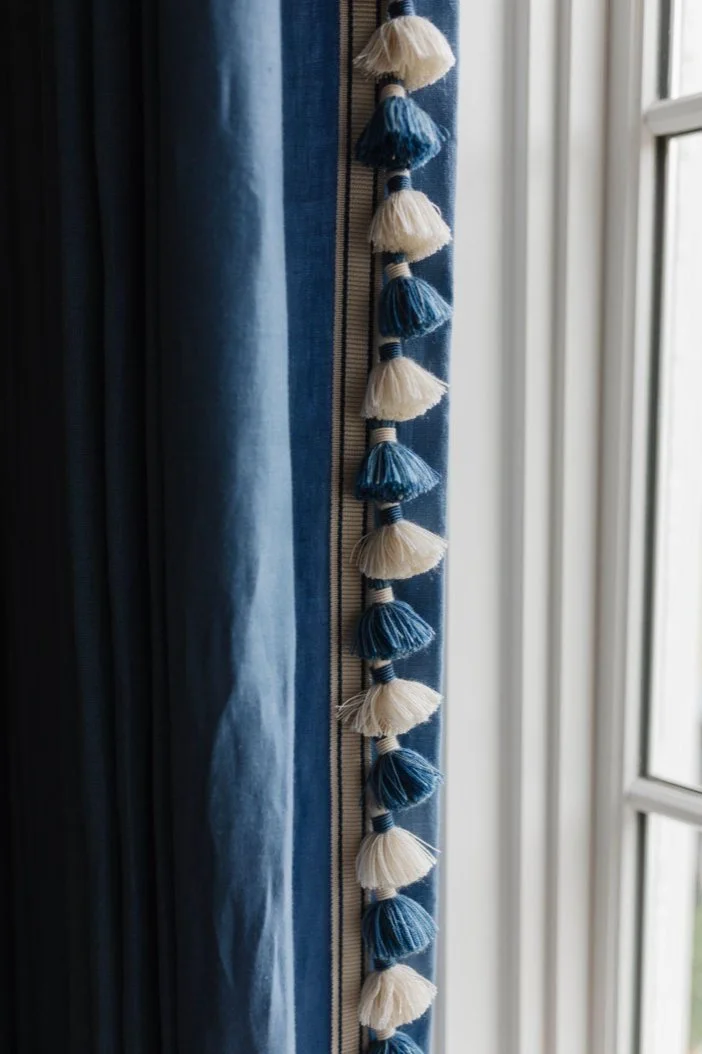
A softened linen panel in early light. The subtle movement of a hand-troweled plaster finish. Warmth from a bronze fixture shifting throughout the day. These aren’t dramatic gestures, but they shape the experience of a room. They create an environment that feels composed rather than crowded.
Depth Over Display
True luxury is rarely performative. The most compelling rooms are layered, not loud.
Quality materials, thoughtful craftsmanship, and pieces with history or intention bring a quiet richness to a space. A time-worn antique, a custom detail shaped by an artisan’s hand, a textile that gains character over the years — these elements add depth that trend-driven “statement pieces” can’t replicate.
When each detail is considered, you don’t need many of them. It’s the distinction between collecting and curating.

Design as Deliberate Practice
Every project begins by listening — to the home, to its surroundings, and to the people who live there. Restraint keeps that process grounded. It pushes us to make decisions purposefully, to respect materials, and to prioritize what will matter five, ten, or twenty years from now.
Intentional design endures because it’s built on clarity and respect for the space.
A Closing Note
As I deepen my work in Charleston — a city defined by thoughtful architecture, natural light, and a sense of history — I’m reminded that lasting beauty is rarely rushed.
It comes from careful choices, honest materials, and the confidence to do less, but better.
From the Studio,
Marycobb

About the Author
Founder of her eponymous firm, Marycobb Reeves is a Charleston-based interior designer known for her affinity for classicism. Marycobb’s design philosophy is founded on creating tailored spaces with timeless appeal and enduring style in mind …